Living Soil Mineral Balance: Why Fungal-Dominant Beds Outperform Hydroponic Salts
By Rowan Halstead (Head Agronomist) on · 0 comments
Synthetic bottled nitrate salts push rapid vegetative stem elongation and inflated wet harvest weights, yet experienced formulators can spot salt-grown botanicals immediately: hollow stems, muted secondary aromatics, and rapid browning six weeks after jarring.
Remineralizing Basalt Loam Beds
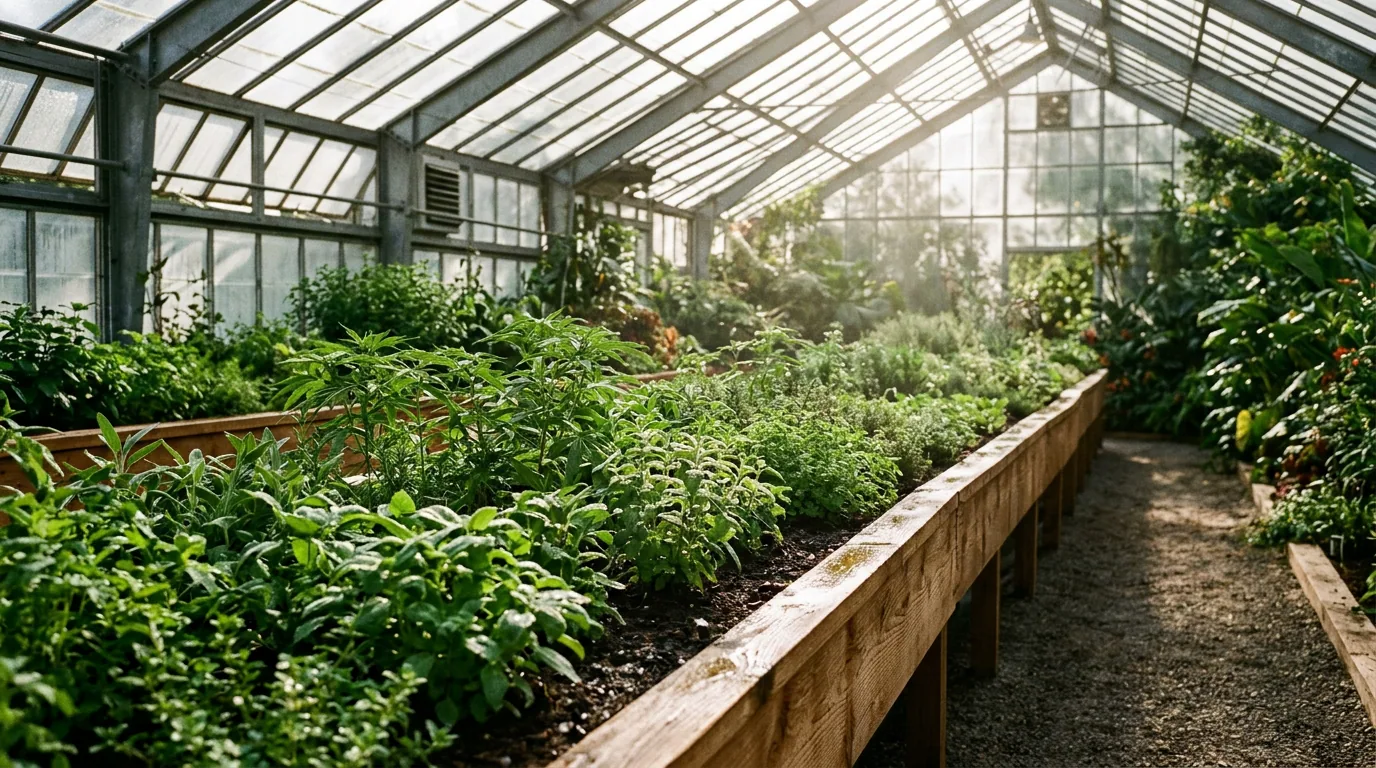
Our outdoor and light-assisted greenhouse beds in Oregon run on multi-year no-till living soil built from local worm castings, glacial rock dust, kelp meal, crustacean chitin, and aerated fungal compost teas. Soil paste tests are balanced each spring to a calcium-to-magnesium base saturation ratio near 6.8:1, with trace sulfur and boron maintained specifically to feed aromatic oil synthesis.
Across three consecutive autumn harvests of our heirloom Alpine Verbena and Cascade cultivars, living-soil plots yielded 8% less raw biomass per square meter than salt-fed control benches, but produced 31% higher secondary flavonoid and terpene density per gram of dried flower.
Starting Heirloom Seeds at Home
Growers germinating our open-pollinated seed packets achieve the strongest taproot vigor at 23°C soil temperature using unfertilized coco-castings starter plugs before transplanting into amended beds at week three. Once harvested, protect those hard-earned aromatics using the slow-hanging parameters in Preserving Monoterpene Ratios During a 21-Day Cold Barn Cure.